Keno is a number-draw game: choose a set, wait for the draw, then compare matches with the displayed paytable. Before playing, check the title's own rules and decide on a fixed entertainment limit; no number pattern can promise a result.
These nearby titles come from the same cards shelf. Their names do not imply identical rules; open each game's own information and paytable before deciding whether its pace suits you.
The short answer is to compare the selection range, draw procedure, stake options and prize table before choosing numbers. Those details—not a memorable sequence or a recent result—tell you how a particular Keno version works.
01 · Selection
How many numbers can be marked?
Read the game's selection limits and whether it offers a quick-pick option. A smaller selection is not automatically safer or more likely to win; it changes the set of possible matches and must be judged against that version's paytable.
02 · Draw
What exactly counts as a match?
Check how many values are drawn, whether the draw is independent each round, and how the interface reports matches. If a rules panel does not explain these points, pause rather than infer them from a familiar Keno layout.
03 · Table
What does each outcome pay?
Use the listed prize table for the chosen stake and selection count. Compare both winning and non-winning rows, any maximum award, and any displayed return information; a headline value alone is not enough to assess risk.
A Keno Demo, when the operator actually provides one for this title, is useful for learning the buttons and reading the result screen. It cannot predict paid outcomes. To assess the wider service separately, consult the Roobet Casino Review and verify current game availability and terms there.
Reading the Keno artwork and game screen
Visual note
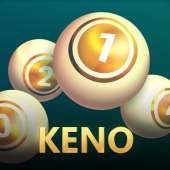
The local image available for this guide is the game's catalogue icon, not a captured round or a promise about the live interface. It can identify the title; use the actual in-game help and paytable to confirm controls and current presentation.
Before the draw
Look for the marked-number panel, the round cost, and a clearly labelled start or confirm control. Confirmed selections and the displayed stake should agree before a round begins.
After the draw
Compare marked values with the result and locate the corresponding row in the paytable. If the interface is unclear or does not show the settlement, keep the round history and ask official support before continuing.
No unverified screenshot, payout claim, or winning sequence is presented as evidence of how a live round will behave.
Small milestones that make Keno easier to understand
Learning path
Treat progress as understanding the interface, not reaching a payout target. A sensible first session ends once you can explain the round cost, selection rule, result display and stop point without feeling pushed to raise a stake.
Milestone 1 · Explain the selectionLearn
Find the allowed number range and identify any limit on how many values can be chosen. Do not assume another Keno game uses the same rules.
Milestone 2 · Read the settlementReview
Locate the match count and its paytable entry. Check the displayed stake and award basis before interpreting a result as a win.
Milestone 3 · Keep a boundaryControl
Set a time and spending limit before play. Stop when either limit is reached; a previous draw does not make a future draw due.
If you are comparing play formats or member benefits, check the terms for Roobet Casino Vip rather than assuming rewards change Keno odds. Keep any offer optional, and never increase a stake to chase a progress marker.
How to decide whether Keno fits your session
Quick check
Choose Keno only if its pace, rules and cost are clear and fit the amount of time and money you set aside for entertainment. If any of those conditions is missing, leave the game and review the details first.
A practical decision is simple: understand the number range and paytable, confirm the round price, and choose a firm stop point. The same checks apply whether you are exploring a Keno Demo or considering paid rounds.
Rules are visible. The draw, match conditions and prize table are available before a decision.
Cost is understood. You know the stake for one round and can afford to lose the planned entertainment budget.
Participation is optional. No bonus, sequence, previous outcome or reward should pressure you to continue.
Use the Index to browse other categories, and compare any listed roobet casino rewards with their conditions. A reward is not guaranteed value, and Keno results remain uncertain regardless of account status.
A calm Keno routine, from rules to stop point
In brief
Open the title's information and verify selection rules, draw details and the full paytable.
If a Keno Demo is available, use it to learn the controls—not to forecast paid results.
Before real-money play, set a fixed budget and session timer that you can comfortably leave unused.
Check each stake and settlement, then stop at the first limit or whenever the rules are unclear.
A roobet casino review can help with service-level due diligence, but it cannot validate a particular result or replace the game's current rules. Play only where legally permitted, follow the operator's age requirements, and seek support if gambling stops feeling like entertainment.